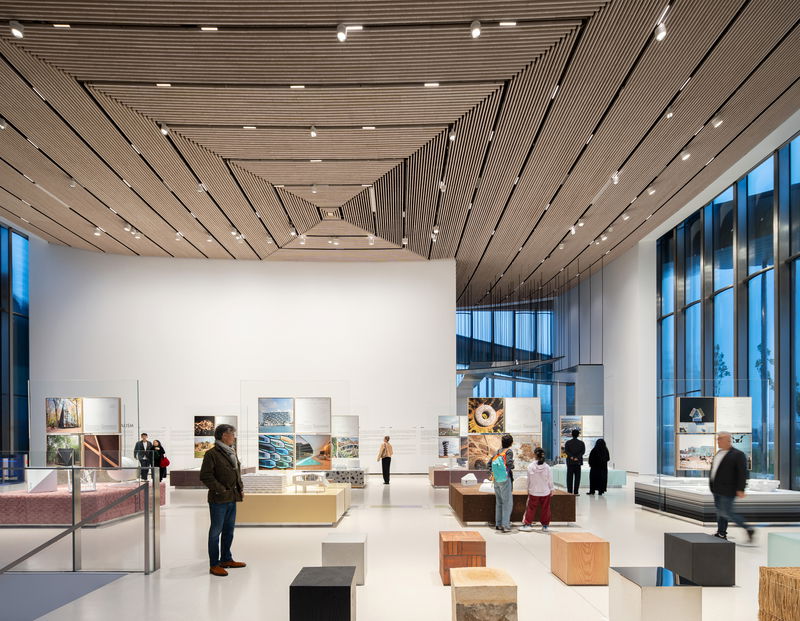
Bjarke Ingels Group: Crafting Modern Acoustics and Public Parks
While many online searches might lead you to exhilarating content like a 'big east live stream' of a thrilling sports match, another 'BIG' is capturing global attention for its own brand of immersive experiences – the Bjarke Ingels Group. Renowned for their innovative and often playful approach to architecture, BIG doesn't just design buildings; they sculpt environments that blur the lines between civic structure, public space, and natural landscape. Their projects, from the Copenhagen-based BIG HQ to the ambitious Hamburg State Opera, consistently push the boundaries of design, sustainability, and human interaction, demonstrating a profound understanding of how spaces can elevate daily life.
At the heart of BIG's philosophy is the creation of architecture that is both visionary and deeply integrated with its surroundings. They transform urban challenges into opportunities for public engagement, often turning mundane structures into accessible, multi-layered environments. This article delves into how BIG masterfully blends state-of-the-art acoustics with expansive public parks, particularly exemplified by their transformative work on the Hamburg State Opera.
The Hamburg State Opera: A Symphony of Architecture and Sound
The Hamburg State Opera project stands as a testament to BIG's ability to redefine cultural institutions for the 21st century. Replacing a 1950s predecessor on Dammtorstraße, the new 45,000-m² opera house is more than just a venue; it's a vibrant urban landmark designed to meet contemporary acoustic, spatial, and technical standards, all while continuing Hamburg's storied dialogue between culture, harbor life, and civic architecture.
Hamburg, a city where the Speicherstadt warehouses and the iconic Elbphilharmonie already intertwine history with innovation, provides the perfect backdrop for BIG's vision. The new opera house emerges as a public building within a park, unfolding as a series of terraced landscapes that rise gracefully from the water’s edge. This design philosophy is truly groundbreaking. Instead of an imposing monolith, BIG has envisioned a structure that invites interaction.
From an aerial perspective, the roof traces a continuous circular form, opening dynamically toward the harbor. This sculpted topography isn't just aesthetic; it’s functional. It offers inviting pathways that lead from the quay to elevated gardens, creating a network of outdoor gathering spaces. This intricate design establishes a new, vital public link between the city and the river, seamlessly connecting people with their urban and natural environment. Bjarke Ingels, Founder & Creative Director of BIG, eloquently describes this vision: "The opera will appear like a landscape of concentric terraces – emanating like soundwaves from a central beating heart of music, expanding outward into the harbor like ripples on the surface of the sea. The result is a three-dimensional public park open and accessible from all sides." This holistic approach ensures that the opera house isn't just a destination for performances but a daily amenity for all citizens.
Visitors can approach the opera from multiple directions – via the surrounding park, from the pier, or directly from the ‘opera street’ by Baakenhafenbrücke. The natural stone pavements from the park flow effortlessly into the main foyer, transforming it into an "urban living room." Here, two central timber staircases guide visitors through the building, reinforcing the sense of organic flow. A crucial design element is the direct access to outdoor terraces from all main floors, which can serve as arrival points, event spaces, or informal gathering spots for performers and guests alike. This open, permeable design invites exploration and spontaneous interaction, embodying BIG's commitment to making cultural spaces truly public.
For more insights into this magnificent project, you might enjoy reading Hamburg State Opera: BIG's Vision for a Public Waterfront Landmark and Discover BIG's Hamburg Opera: Terraced Landscapes and Urban Links.
Engineering Acoustic Excellence
At the very core of any opera house is its main performance hall, and BIG has dedicated meticulous attention to crafting a space of unparalleled acoustic and visual quality. The main hall gathers the audience and performers within a room characterized by gently curved balconies. This design is not merely for aesthetics; it plays a critical role in the auditory experience. Bands of horizontally layered timber wrap the interior, creating a continuous surface that meticulously carries sound evenly through the entire space. This choice of material and form is a masterstroke, ensuring that every note, every nuance of a performance, reaches every listener with pristine clarity.
Jakob Sand, a Partner at BIG, perfectly encapsulates this focus: "The main hall is the heart of the project - a space with state-of-the-art acoustics and perfect sightlines to the stage. Immersive concentric wooden rings shape the hall and its balconies, dissolve the boundaries between spectators and artists, between reality and fiction." This design philosophy emphasizes an immersive experience, where the architecture itself enhances the artistic performance, drawing the audience into the narrative. The concentric wooden rings create a sense of unity, blurring the traditional divide between observer and observed, fostering a profound connection with the art.
**Practical Tip for Acoustic Design:** When considering acoustic excellence in any large public venue, whether an opera house or a lecture hall, several factors are paramount:
* **Material Selection:** Hard, reflective surfaces (like timber) distribute sound, while softer, porous materials absorb it, preventing echo. A balanced approach is crucial.
* **Geometric Shaping:** Curved surfaces diffuse sound, preventing harsh reflections and creating an enveloping sound experience. Flat, parallel surfaces can lead to standing waves and poor acoustics.
* **Volume and Reverberation Time:** The size and shape of the room directly impact how long sound persists. Optimizing reverberation time is key for speech intelligibility and musical richness.
* **Isolation:** Ensuring soundproofing from exterior noise and adjacent spaces is fundamental for a truly immersive experience.
Public Parks and Urban Connectivity
Beyond the architectural marvel of the opera house itself, BIG's commitment to integrated design extends to the surrounding landscape. The park, designed by BIG Landscape, is not just a decorative element; it's a highly functional and sustainable urban green space. Shaped by the natural movement of water, the park incorporates ingenious solutions for managing storm surges through a thoughtful arrangement of sloping terraces, vegetated dunes, and wetland gardens. These natural elements slow down and filter water, contributing to the city's ecological resilience while simultaneously providing beautiful, biodiverse habitats.
This intelligent landscaping reflects BIG's broader philosophy of "hedonistic sustainability" – creating designs that are environmentally responsible but also enhance human enjoyment and well-being. The integration of public parks and green spaces into urban developments offers significant benefits:
* **Ecological Resilience:** Managing stormwater, supporting biodiversity, and improving air quality.
* **Social Connectivity:** Providing accessible spaces for recreation, relaxation, and community events, fostering social cohesion.
* **Mental and Physical Well-being:** Access to nature is proven to reduce stress, encourage physical activity, and improve overall health.
* **Economic Value:** Green spaces can increase property values and attract tourism.
BIG's designs exemplify how public buildings can transcend their primary function to become catalysts for urban renewal and community engagement. By transforming rooftops into accessible parks, and foyers into "urban living rooms," they create permeable, inviting structures that enrich the urban fabric.
Beyond Hamburg: BIG's Broader Impact and Sustainable Vision
While the Hamburg State Opera brilliantly showcases BIG's mastery of acoustics and public space, their influence stretches across various project types globally. From the multi-functional ski slope and power plant (Copenhill) in Copenhagen to their master plans for sustainable communities, BIG consistently demonstrates a forward-thinking approach. Even their own headquarters, the BIG HQ in Copenhagen, reflects their core tenets of innovative design and sustainability, serving as a living laboratory for their ideas.
BIG’s projects often challenge conventional notions of private and public space, inviting the public to interact with architecture in unexpected ways. This approach fosters a sense of ownership and connection, turning buildings into shared experiences rather than inaccessible monuments. Their designs are characterized by:
* **Contextual Sensitivity:** A deep understanding of the local culture, history, and environmental conditions.
* **Programmatic Alchemy:** Mixing diverse functions (e.g., opera house and public park) to create synergistic spaces.
* **Sustainability as an Integral Element:** Embedding environmentally sound practices not as an afterthought but as a core design driver.
* **Social Responsibility:** Creating democratic spaces that enhance public life and well-being for all citizens.
This commitment to creating socially, environmentally, and aesthetically impactful architecture ensures that BIG remains at the forefront of contemporary design, constantly redefining what's possible in the built environment.
Conclusion
The Bjarke Ingels Group, with projects like the Hamburg State Opera, consistently demonstrates an extraordinary ability to weave together cutting-edge acoustic engineering, thoughtful public park design, and robust urban connectivity. Their approach creates not just buildings, but vibrant civic landscapes that are deeply integrated into the fabric of a city, fostering community, culture, and environmental stewardship. By transforming traditional institutions into accessible, multi-layered public realms, BIG continues to inspire architects and urban planners worldwide to imagine a future where design serves both human enjoyment and ecological responsibility. Their work stands as a powerful testament to the idea that architecture can be both audacious in form and profoundly human in its impact, creating experiences that resonate deeply, much like a perfectly rendered musical performance.